Here are the corrected versions in British English:
Non-Vascular Interventional Radiology
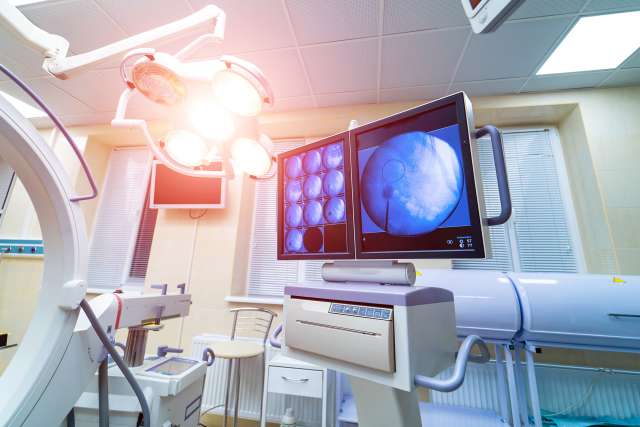
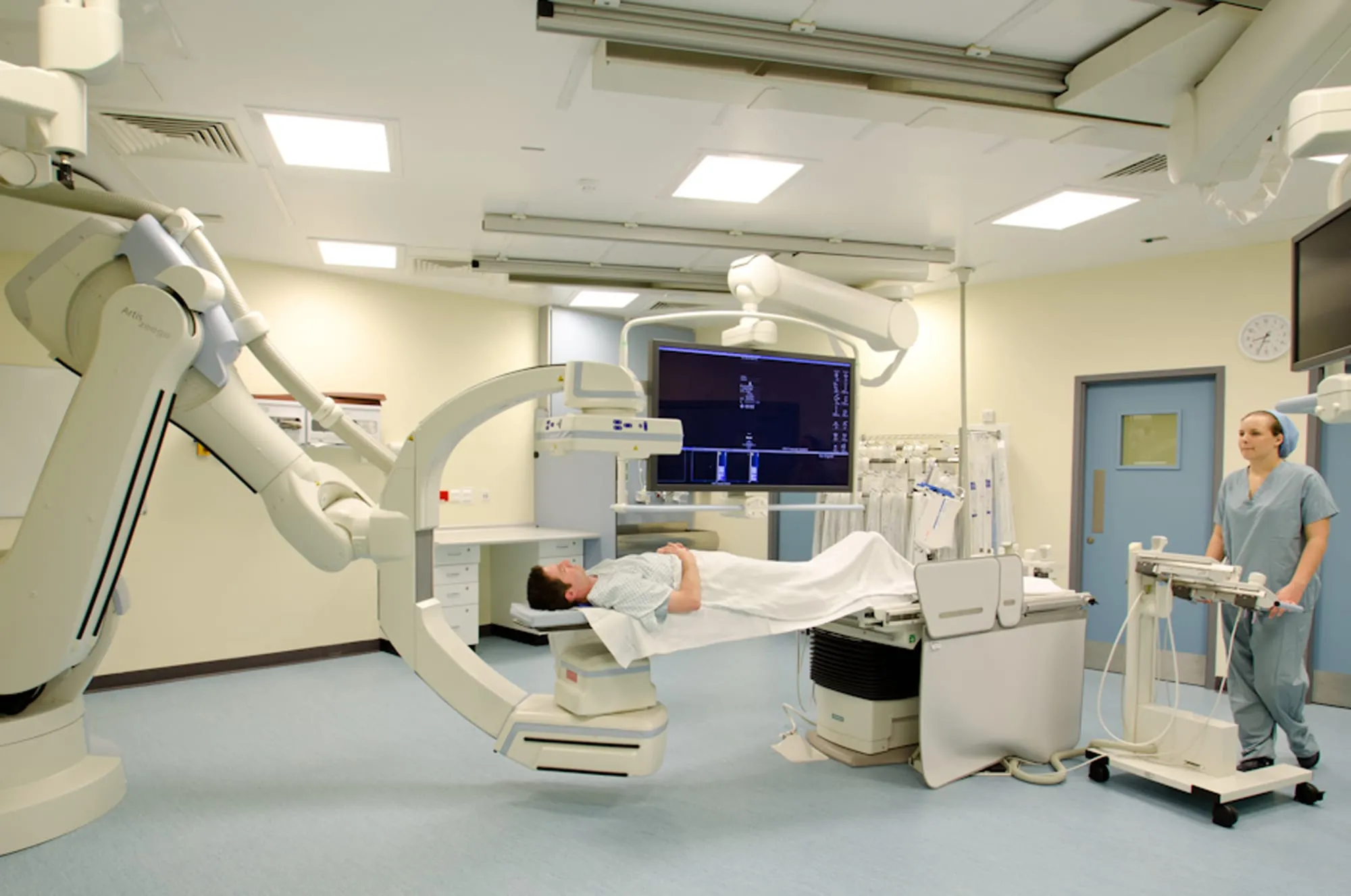
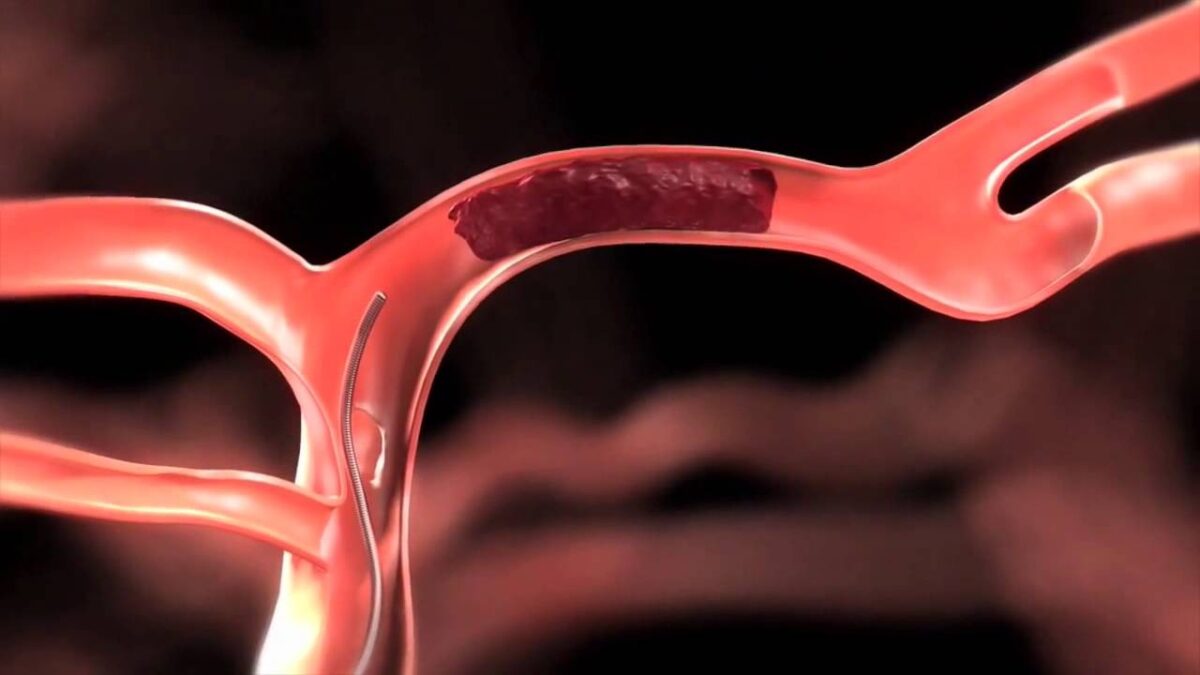
Interventional radiology is a clinical subspecialty that uses fluoroscopy, CT, and/or ultrasound to guide percutaneous procedures such as biopsies, drainage of fluids, inserting catheters, dilating, or stenting narrowed ducts.
By relying on the visual guidance provided, radiologists can place their instruments in real-time into precise locations in the body. This is generally done through a small skin incision.
The goal of interventional radiology is to provide less invasive alternatives for both diagnostic and therapeutic procedures that result in lower risks, less pain, and quicker recovery times.